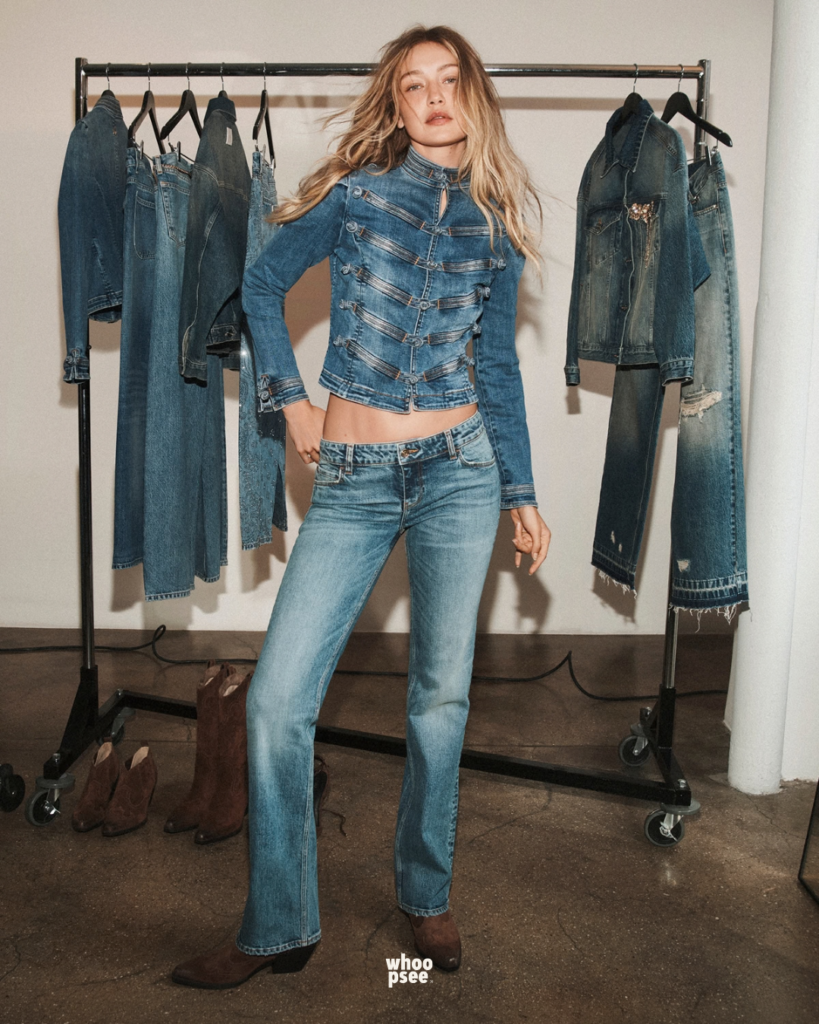
It is undeniable that something is changing in China. While after the pandemic the country was mostly associated with a crisis in the luxury sector—due in part to a difficult period for the real estate market and reduced consumer confidence—the current recovery is also bringing about an inevitable shift in the landscape. Just a few days ago, Sabato De Sarno, Gucci’s former creative director who stepped down from his role in 2025, was named head of Icicle, the Chinese fashion brand founded in Shanghai in 1997 and now at the center of an ambitious international expansion project. Icicle isn’t a creatively revolutionary brand, but it makes clothes in the truest sense of the word: it lacks the artistic and conceptual side one would expect from a fashion house, but it does offer what consumers today perhaps value most—the product itself, tailored and presented exactly as we wear it, with a nod to sustainability and, of course, at prices that fall well short of those in the luxury segment.
The brand is experiencing strong growth, both commercially and in terms of marketing—just look at its inclusion in the Paris Fashion Week schedule. But even more importantly, Kering is among Icicle’s investors. Made just five months ago, the investment is part of Kering’s revitalization plan led by Luca de Meo, which includes the goal of identifying opportunities in new categories and emerging luxury markets.
And now here’s why I’m talking to you about this brand and the recent appointment of Sabato De Sarno as creative director—a figure we’ve previously associated with Kering’s flagship brand, an Italian brand with a decade-long history, and who is now ready to pack his bags for Shanghai to begin his role at a brand that perhaps few of us knew about before this news broke. And right here in China—which, judging by recent reports, seems to be a focal point of Kering’s relaunch strategy under CEO Luca De Meo—Gucci appears to be cutting prices on certain handbags and clothing items.
This was reported by the local newspaper Jing Daily, which specializes in the luxury sector; according to the publication, the brand has cut prices on a selection of handbags and ready-to-wear items in China, reversing the trend that has defined luxury pricing for much of the post-pandemic period. The Mercato small tote from the Spring/Summer 2026 collection has dropped from 25,500 RMB ($3,800) to 20,000 RMB ($2,980), a reduction of about 22%, while the Ophidia mini bucket bag now costs 8,700 RMB ($1,300), following a price cut of 3,600 RMB ($540), or about 29%. Selected dresses, swimwear, and knitwear items have also seen price reductions of about 30%.
It’s certainly nothing new for brands to periodically adjust their product prices based on a range of market factors—one need only look beyond the Kering Group. This move, however, which is exclusive to China, reflects a shift in consumer behavior, as people are becoming increasingly mindful of what they buy. It remains to be seen whether this will prove to be a winning strategy.
[📸 Instagram: gucci]