Before it became a glamorous detail, lacing was a necessity. The art of tightening, shaping, and adjusting a garment using laces spans centuries of fashion history. As early as the Middle Ages and the Renaissance, form-fitting garments were fastened and adjusted using lacing systems, eventually evolving into stays and corsets, where lacing became an integral part of the garment’s construction, sculpturally defining the curves.
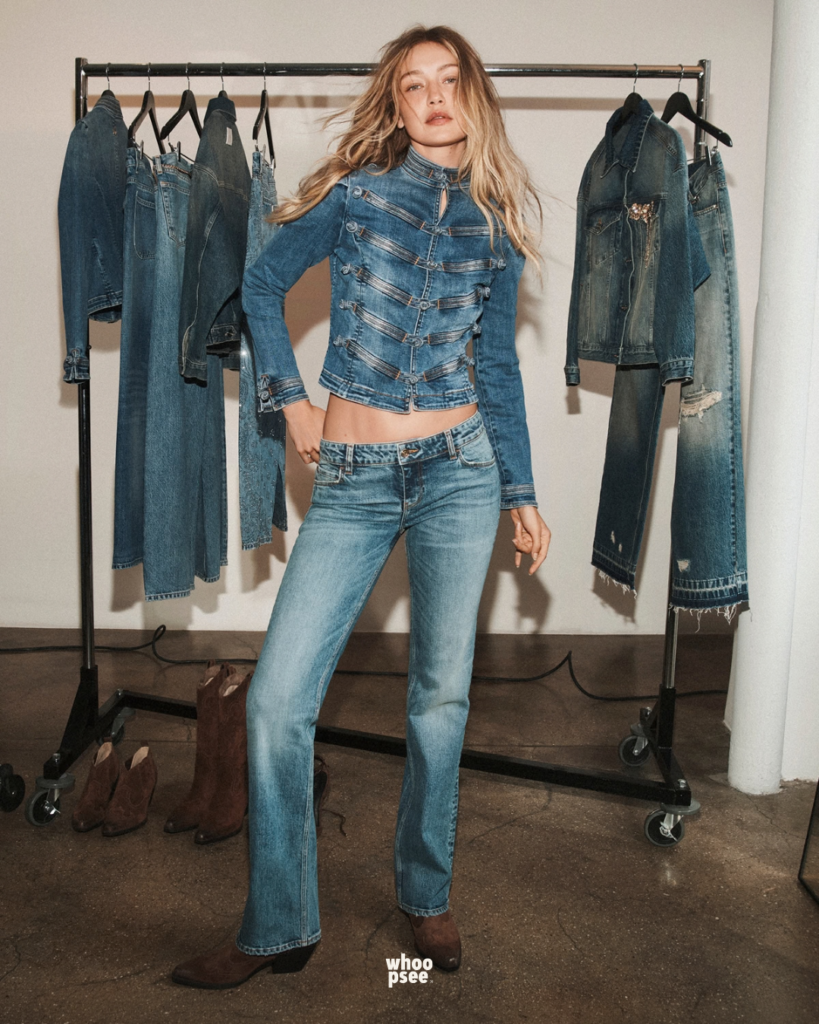
Then fashion turned it into a language. Jean Paul Gaultier and John Galliano explored its most theatrical and dramatic side, creating a dialogue between lacing and the body through glossy satin and lingerie-inspired silhouettes designed to hug and accentuate curves. Dolce&Gabbana made it a true common thread of their aesthetic: the lace plays a leading role in the game of “now you see it, now you don’t,” cinching, revealing, and defining an unabashedly sensual femininity. In the 2000s, the attitude shifted. Lacing became more playful, appearing as a cheeky detail along the hems of low-rise jeans, on bare skin, and on tops, and became a recurring element in the imagery of American pop stars.
But its journey extends all the way to the present day, where lacing has returned to the spotlight—both through entertainment personalities and stars, who draw on fashion archives and vintage pieces to reinterpret it, and thanks to a new generation of designers like Dilara Findikoglu. The result is a comeback that is anything but nostalgic: lacing retains its original power intact, yet is reimagined with a contemporary edge, blending sensuality, provocation, and experimentation.
[📷 Getty Images; dolcegabbana.com; dilarafindikoglu.com; simonerocha.com; IPA; Instagram: kimkardashian, kyliejenner]