No matter how you look at it, the 1990s remain one of the most important decades in fashion. A turning point—more than just a fleeting aesthetic trend—that changed the way we understand clothing, image, and, above all, the relationship between fashion and culture. It was the decade that laid the groundwork for an evolution destined to continue in the years that followed—and one that, even today, continues to resurface in our collective imagination. Perhaps this is because what we truly long for from those years is not just what we wore, but what they represented: an idea of freedom, of possibility, of irreverence. And today, that longing seems to have grown increasingly nostalgic.
It is precisely this persistence that gives shape to *The 90s: Art and Fashion*, Tate Britain’s major new exhibition, scheduled to run from October 8, 2026, to February 14, 2027. It is curated by Edward Enninful OBE, one of the figures who has contributed most to defining the imagery of contemporary fashion, who has been called upon to reinterpret that decade through his own experience. It is not, therefore, a nostalgic celebration in the strict sense, but rather an attempt to understand why the 1990s had such a profound impact and why their influence continues to be so pervasive.
Because talking about the ’90s inevitably means talking about a time when boundaries began to blur. Art, fashion, photography, music, and pop culture gradually ceased to exist in separate spheres and began to influence one another, creating a new, freer, and less hierarchical language. The Tate brings together nearly 70 artists, photographers, and designers, along with over 100 works—including photographs, paintings, sculptures, and garments—capturing precisely this idea of a decade in which the image became a shared space.
This is the world of Juergen Teller, Corinne Day, David Sims, and Nick Knight—photographers who have helped radically change the way fashion was photographed and portrayed. Deliberately imperfect images, real bodies, a beauty that is less polished and more vulnerable: fashion photography moves away from the idea of constructed perfection and begins to seek something more instinctive, intimate, even raw. Photography no longer merely accompanies fashion—it becomes part of its identity. And then there are the clothes. Those by Vivienne Westwood, Alexander McQueen, John Galliano, and the other designers who transformed British fashion into one of the most radical hubs of international creativity. While Westwood brings with her a punk attitude and the ability to subvert the rules, McQueen transforms the runway into theater, tension, and storytelling; Galliano builds worlds through costume and theatricality. These are different languages, but they belong to the same generation of creatives who, in the 1990s, stopped viewing fashion simply as something to wear.
This is where the exhibition becomes particularly interesting: because alongside fashion, we see artists from the generation that redefined British art—from the Young British Artists to Steve McQueen, Damien Hirst, Sarah Lucas, and Yinka Shonibare. The idea is to capture a moment when high and low, the popular and the conceptual, the club and the gallery began to coexist. The old cultural hierarchies began to crumble, and a new generation forged its own language through this fusion. After all, this is also what makes the ’90s so difficult to categorize. They didn’t yet have the constant pace of the present; social media didn’t exist to determine in real time what was cool and what wasn’t; and images still needed to be created, photographed, printed, and shared through magazines, clubs, campaigns, and photographs. Culture emerged from people even before it did from algorithms. And it is perhaps precisely this sense of authenticity—or at least a greater distance from the logic of contemporary hyper-exposure—that makes that decade so desirable today.
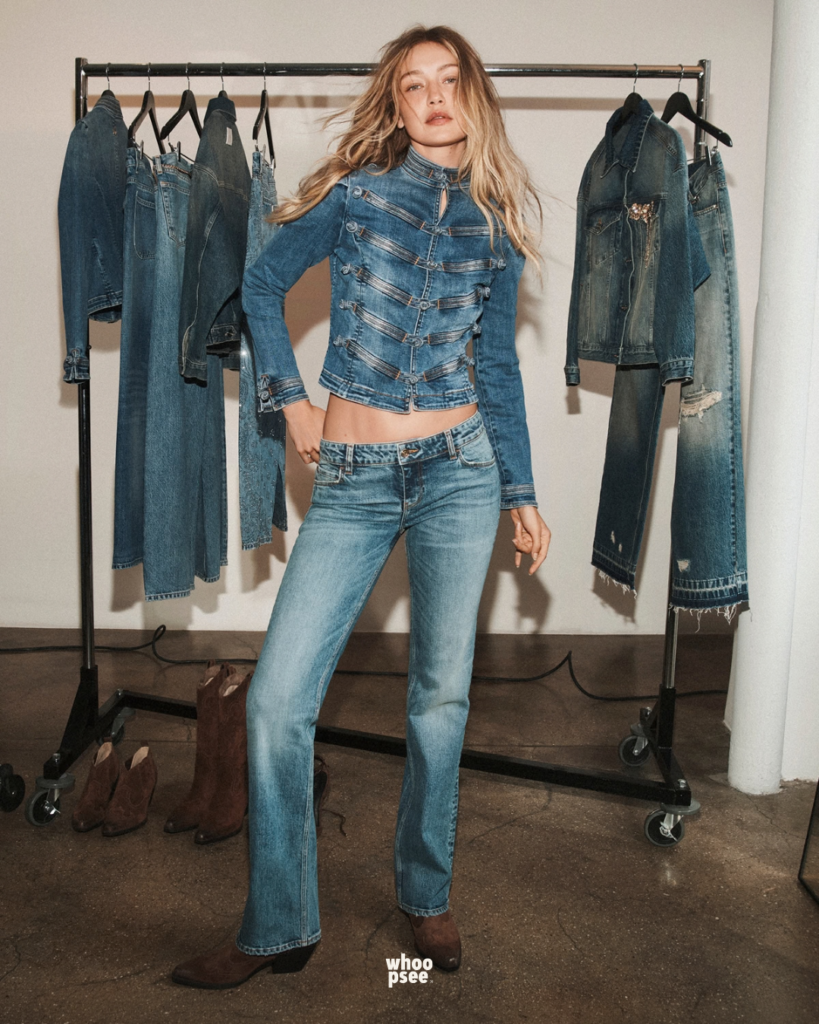
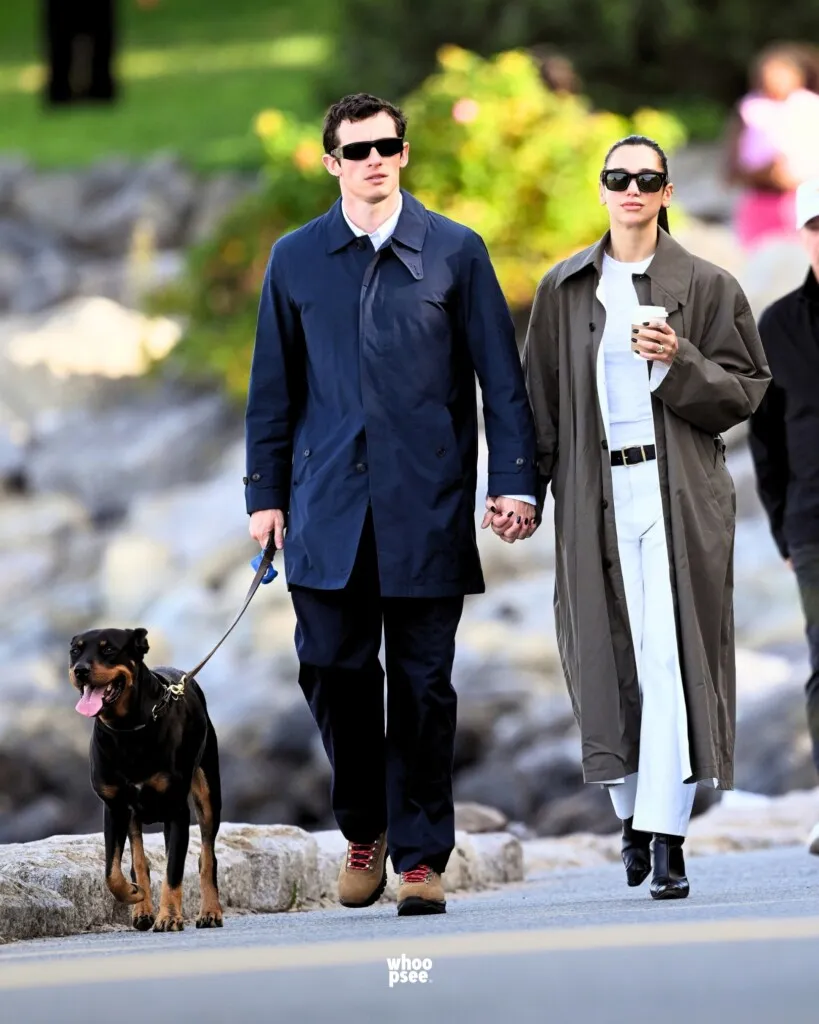
It’s no coincidence that fashion keeps coming back to that era. The silhouettes, the photographs, the models, and the references to minimalism and grunge are all making a comeback—but above all, a certain attitude is returning. That of a generation that didn’t yet need to constantly explain its image and that was able to transform a dress, a photograph, or an evening out into a cultural statement. That’s why *The 90s: Art and Fashion* arrives at a particularly significant moment. Thirty years later, looking back at that decade doesn’t simply mean asking ourselves what we still like about those years, but understanding how much of the present was born right then. Tate Britain thus attempts to bring order to an era that, by its very nature, had little order: a contradictory, free, creative, and at times dark decade—yet one capable of transforming fashion into something far greater than fashion itself.
And perhaps that is precisely why we continue to long for the ’90s. Not because they were perfect, but because they remind us of a time when it still seemed possible to invent the future.
[📷 IPA]